Jesus Checkered Typography: A Bold Statement for Modern Faith-Based Design
There’s a moment in every creative project where the typeface either disappears into the background or steps forward to own the room. For designers working on faith-based content, community event promotions, or lifestyle brands with spiritual roots, finding a font that feels authentic without being cliché can be a challenge. That’s where a typeface like the Jesus Checkered Typography Design enters the conversation—not as just another decorative option, but as a deliberate visual tool with texture, weight, and intentionality baked into its DNA.
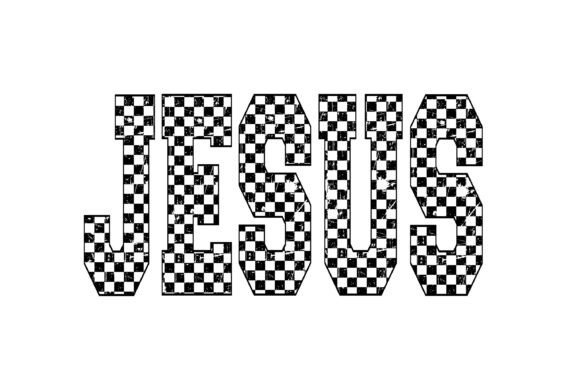
This particular design leans into a distressed, checkered aesthetic that feels both contemporary and grounded. It doesn’t try to mimic ancient calligraphy or lean into overly ornate religious symbolism. Instead, it borrows from streetwear culture, vintage signage, and hand-crafted lettering traditions to create something that speaks to a younger, design-literate audience. The result is a typeface that feels at home on a Sunday morning bulletin, a podcast cover, a youth group hoodie, or a faith-based entrepreneur’s brand identity.
Understanding the Visual Language Behind the Design
What makes the Jesus Checkered Typography Design stand out isn’t just the letterforms themselves—it’s the treatment. The checkered pattern embedded in the letters gives the typeface a tactile, almost screen-printed quality. It suggests imperfection in the best possible way, evoking the feel of hand-painted signs, worn vintage posters, and artisan printmaking. This kind of distressed typography has surged in popularity across multiple industries, from craft breweries to independent bookstores, because it communicates authenticity and craftsmanship.
For faith-based projects specifically, this texture does something important: it bridges the gap between reverence and relatability. A perfectly polished, corporate-looking serif font might feel too sterile for a youth ministry brand. A whimsical script font might undermine the gravity of a worship-focused campaign. The checkered distressed style lands in a sweet spot—it’s bold enough to be noticed, textured enough to feel handmade, and clean enough to remain readable across different sizes and media.
Where This Typography Truly Shines in Real Projects
Think about the last time you scrolled through Instagram and stopped on a quote graphic that actually made you pause. Chances are, the typography played a significant role. Social media graphics are one of the most natural habitats for a display font like this one. The bold letterforms and textured surface grab attention in crowded feeds, especially when paired with strong color contrasts or layered over photography.
But the applications extend far beyond social posts. Here are several practical scenarios where this design asset proves its worth:
- Logo design and brand identity: For churches, ministries, faith-based podcasts, or Christian lifestyle brands, a distinctive typeface becomes the cornerstone of visual recognition. The Jesus Checkered Typography Design offers enough personality to anchor a logo while remaining versatile enough to work alongside secondary fonts in a broader brand system.
- Event promotion: Conference posters, retreat flyers, worship night invitations, and Easter campaign materials all benefit from typography that commands attention without relying on stock imagery.
- Merchandise and apparel: T-shirts, hoodies, tote bags, and hats featuring bold typography are perennial sellers. The distressed checkered style translates naturally to screen printing and embroidery, giving products an artisan, small-batch feel.
- Packaging design: Faith-based candle companies, scripture card sets, devotional journals, and Christian subscription boxes can use this typeface to create packaging that stands out on shelves and in unboxing videos.
- Digital products and editorial layouts: E-book covers, online course graphics, blog headers, and newsletter designs all benefit from a display font that establishes mood and hierarchy quickly.
- Print materials: Bulletins, sermon series handouts, fundraising materials, and community outreach flyers gain visual impact when set in a typeface that feels intentional rather than default.
Practical Considerations for Working With Display Typography
Choosing a typeface is only half the equation. Knowing how to deploy it effectively separates polished design from amateur clutter. Here are some grounded recommendations for getting the most out of a bold, textured font like this one.
Pair it wisely. A display font with this much character needs a quieter partner. Clean sans serif fonts like Montserrat, Open Sans, or Lato work beautifully for body text, letting the headline typeface do the heavy lifting without creating visual competition. Avoid pairing it with other decorative or script fonts—the result will almost always feel chaotic.
Mind the size. Distressed and textured typefaces are designed to be seen at larger sizes. Using the Jesus Checkered Typography Design at 12-point body copy will muddy the details and hurt readability. Reserve it for headlines, subheadings, pull quotes, and feature callouts where the texture can breathe and be appreciated.
Test across formats. What looks striking on a desktop screen might lose definition when printed at a small scale or viewed on a mobile device. Always proof your work in the medium where it will actually be consumed. Print a test sheet. View the mockup on your phone. Zoom out to thumbnail size. If the letters still read clearly, you’re in good shape.
Consider color and contrast. The distressed texture in this typeface means it carries a lot of visual information. Pairing it with overly busy backgrounds or low-contrast color combinations will obscure the letterforms. Solid backgrounds, gradient washes, or simple photographic backdrops with enough negative space work best.
Licensing, File Formats, and What You Actually Receive
One of the most practical aspects of this particular design asset is the breadth of included file formats. The package delivers SVG, PDF, JPEG, PNG with transparency, EPS, and AI files—all bundled in a single ZIP download. This matters because different workflows demand different formats.
If you’re a designer working in Adobe Illustrator, the AI and EPS files give you full editability—adjust colors, scale without quality loss, modify individual letterforms, or extract elements for custom compositions. If you’re a small business owner using Canva or a similar platform, the PNG transparency files let you drop the typography directly onto your designs without wrestling with background removal. The SVG format is ideal for web developers who need crisp, scalable vector graphics that load quickly and look sharp on any screen resolution.
Before using any design asset commercially, it’s worth reviewing the licensing terms carefully. Understanding whether the license covers merchandise production, client work, print-on-demand platforms, or digital product resale protects you legally and ensures you’re using the asset within its intended scope. Reputable design marketplaces typically outline these terms clearly, and it’s always better to verify upfront than to face complications later.
Building a Cohesive Visual Identity Around Strong Typography
Typography is often the unsung hero of brand recognition. People remember how a brand feels long before they recall specific imagery. A consistent typographic voice—used across website headers, email signatures, social templates, and printed collateral—creates a subconscious sense of reliability and professionalism.
For creators and entrepreneurs in the faith space, this consistency becomes even more meaningful. Your audience isn’t just consuming content; they’re building a relationship with your message. When every touchpoint—from a sermon series graphic to an Instagram story to a merchandise tag—shares the same typographic DNA, it reinforces trust and familiarity. The Jesus Checkered Typography Design, with its distinctive character and textured presence, offers a strong foundation for that kind of visual consistency.
The key is restraint. Use it where it matters most—in your primary headlines, logo lockups, and hero graphics—and let supporting typography handle the rest. A well-structured type hierarchy doesn’t just look professional; it guides the viewer’s eye, communicates priorities, and makes your content easier to absorb. That’s the real power of intentional typography: it doesn’t just decorate your message. It amplifies it.