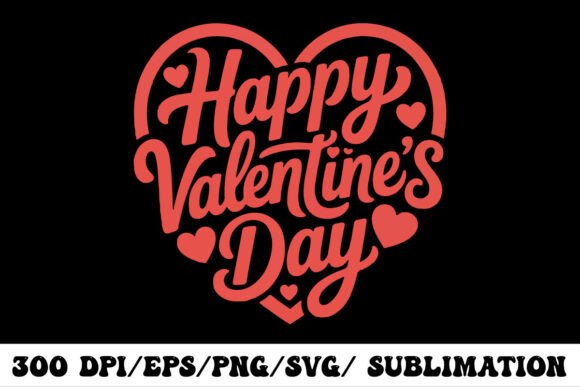
Designing for Romance: The Valentine Cutie SVG Advantage
There is an unmistakable thrill that comes with finding a design asset that just works. For those of us who live and breathe DIY projects, or for small business owners trying to capitalize on seasonal trends, the hunt for the perfect vector is often the most time-consuming part of the job. When the calendar flips toward February, the pressure mounts to create products that evoke warmth, nostalgia, and affection without looking like a generic greeting card from the drugstore. This is where a versatile asset like the Valentine Cutie SVG Cut File Design enters the conversation. It is not merely a digital image; it is a creative toolkit engineered to bridge the gap between amateur crafting and professional-grade merchandise. Whether you are a seasoned graphic designer looking to streamline your workflow or a hobbyist aiming to create personalized gifts, understanding how to leverage this specific style of design can transform your output from simple crafts to cherished keepsakes.
The Anatomy of a Marketable Valentine Design
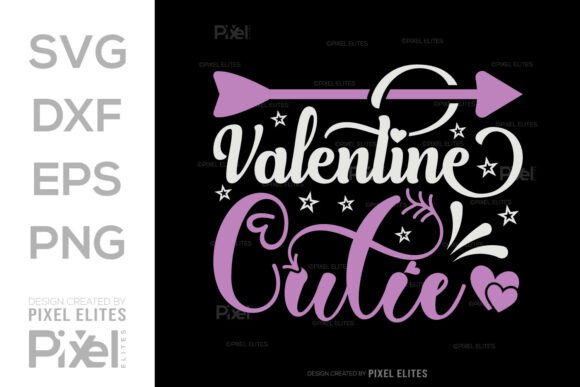
What separates a forgettable design from one that resonates with an audience? In the context of romantic themes, it often boils down to a balance between whimsy and elegance. The "cutie" aesthetic, characterized by soft curves, playful typography, and harmonious spacing, taps into a specific emotional register. It feels approachable and sweet, making it ideal for a wide demographic ranging from young couples to parents creating valentines for their children’s school parties. Visually, the success of a design like the Valentine Cutie SVG Cut File Design relies on its vector integrity. Because SVGs (Scalable Vector Graphics) are based on mathematical formulas rather than pixels, the design remains crisp and clean regardless of whether you are printing it on a tiny jewelry box or a large throw pillow.
For the designer or entrepreneur, this scalability is crucial. It ensures brand consistency across different mediums. Imagine you are building a small brand identity for a pop-up Valentine’s shop. You need the logo on your social media headers, the same graphic on your packaging stickers, and a variation on the merchandise itself. A high-quality SVG ensures that the "cutie" elements—whether hearts, florals, or script text—do not pixelate or blur. This professional presentation builds trust with your customer. It signals that you care about the details, which is a subconscious cue that the physical product will be equally high-quality.
Practical Applications: Beyond the T-Shirt
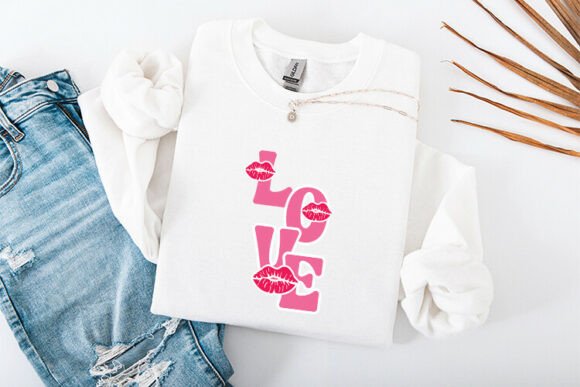
When most people hear "cut file," they immediately think of heat transfer vinyl (HTV) for t-shirts. While the Valentine Cutie SVG Cut File Design certainly excels in the apparel space—think matching couple outfits or cute sweatshirts for a girls' trip—limiting it to clothing would be a mistake. The true value of a comprehensive design file package lies in its versatility across various design assets and marketing materials.
Consider the world of packaging design. If you are selling baked goods, candles, or bath bombs for Valentine’s Day, the unboxing experience is half the product. Using the SVG to create custom stickers for tissue paper or elegant tags for gift bags elevates the perceived value of the item inside. Similarly, for those involved in editorial design or blogging, this style of design works beautifully for creating cohesive visual narratives. A lifestyle blogger could use the SVG elements to create a branded "Valentine’s Gift Guide" header, ensuring their content stands out in a crowded feed.
Here are a few specific avenues where this design shines:
- Home Décor: Creating stencils for wood signs or using sublimation to print on throw pillows and tea towels.
- Paper Crafts: Designing layered greeting cards, scrapbook embellishments, and envelope seals.
- Digital Products: Selling printable wall art, digital planners, or social media templates on platforms like Etsy or Creative Market.
- Event Stationery: Designing cohesive suites for weddings or anniversary parties, including save-the-dates, menus, and place cards.
Harmonizing Typography and Visual Elements
A design file is rarely just about the illustration; it is about how text and image interact. The typography within the Valentine Cutie SVG Cut File Design is often a blend of script fonts and clean sans serif or display fonts. This interplay is a masterclass in font pairing. The script element usually carries the emotional weight, mimicking the flow of a handwritten love letter, while the supporting text provides legibility and structure.
For those looking to modify the design or create their own complementary assets, understanding this dynamic is key. If you are adding custom names or dates to the SVG, you must ensure the new text doesn't fight with the existing design. A general rule of thumb is to match the weight and slant. If the design features a bold, slanted script, avoid using a thin, upright serif for your additions. Instead, look for a modern typography style that shares similar x-heights or stroke widths. This attention to detail prevents the final product from looking "patchworked" and maintains the integrity of the original design.
Furthermore, readability cannot be overstated, especially for logo design or branding elements. While elaborate swashes look beautiful on a poster, they can become illegible when reduced to the size of a favicon or a small social media icon. Always test your designs at various sizes. The beauty of a vector file is that you can shrink it down to check legibility without losing data, ensuring your "Valentine Cutie" branding remains recognizable across all platforms.
The Business of Crafting: Efficiency and Licensing
For the creative entrepreneur, time is the most expensive currency. This is where the utility of a pre-designed SVG becomes a business strategy rather than just a creative choice. Designing a complex romantic illustration from scratch requires hours of sketching, vectorizing, and node editing. Utilizing a ready-to-cut file like the Valentine Cutie SVG Cut File Design allows you to bypass the production phase and move directly to the execution phase. This efficiency means you can react quickly to market trends, perhaps releasing a limited run of "Galentine’s Day" mugs the week before the holiday because the design work is already done.
However, this speed must be balanced with due diligence. One of the most overlooked aspects of digital assets is commercial licensing. Before incorporating any design into a product for sale, you must verify the license. Most reputable design marketplaces offer licenses that cover physical end-products (like a printed shirt) but may have restrictions on digital distribution (like selling the raw SVG file to someone else). Understanding these boundaries is vital for protecting your business legally and ethically. It ensures that you are operating professionally and respecting the intellectual property of the original designer, which sustains the ecosystem of premium fonts and design assets that we all rely on.
Crafting with Intention
Ultimately, the goal of any design project is to evoke a specific feeling. Valentine’s Day is saturated with red and pink clichés, but a thoughtful application of a high-quality SVG can cut through the noise. By focusing on the quality of the materials—smooth cut paths, high-resolution PNGs for printing, and versatile EPS files for editing—you ensure that the final product feels intentional. Whether you are a parent making a card for your child, a designer curating a brand identity for a client, or a hobbyist looking to add a touch of charm to your home, the right design asset serves as a foundation for creativity. It allows you to focus on the joy of making, knowing that the technical heavy lifting has already been handled.